

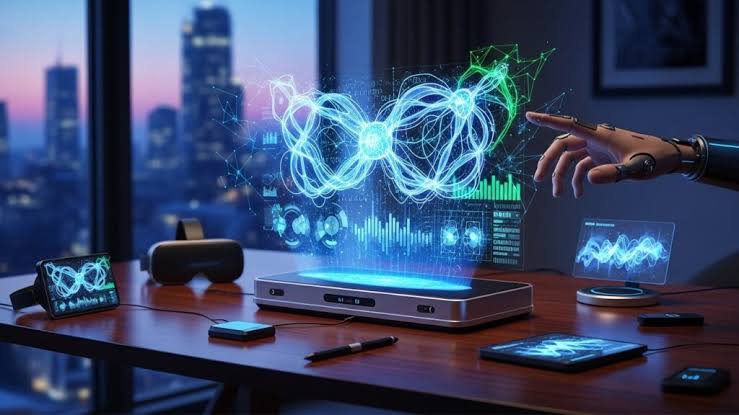
Introduction: The Changing Role of Technology in Everyday Life
Technology has become one of the most powerful forces shaping the way people live, work, communicate, and interact with the world. From artificial intelligence and smart devices to immersive digital platforms and advanced automation, modern innovations are transforming traditional experiences into more personalized, efficient, and connected solutions. Today, technology is not only improving convenience but also creating entirely new ways for individuals and businesses to engage with products, services, and environments. Digital platforms such as https://luxury111cz.com/ represent how modern technology-driven experiences are becoming more accessible and connected in a rapidly evolving world.
The impact of technology can be seen across almost every industry, including healthcare, education, entertainment, finance, retail, and communication. As innovation continues to accelerate, people are experiencing a future where digital tools blend naturally with everyday activities. These advancements are redefining expectations and creating opportunities that were once considered impossible.
The Rise of Artificial Intelligence in Modern Experiences
Artificial intelligence (AI) is one of the most influential technologies redefining modern experiences. AI systems are designed to analyze information, recognize patterns, and make intelligent decisions that help improve efficiency and personalization. Many businesses now use AI-powered solutions to understand customer behavior, provide faster support, and create customized recommendations.
Virtual assistants, chatbots, and automated systems have changed the way people interact with technology. Instead of following traditional processes, users can now receive instant responses and solutions tailored to their needs. AI is also helping industries predict trends, improve operations, and develop smarter products.
In healthcare, artificial intelligence supports early disease detection, medical research, and personalized treatment planning. In entertainment, AI algorithms recommend movies, music, and content based on individual preferences. These applications demonstrate how AI is making digital experiences more intuitive and user-focused.
Smart Devices and the Growth of Connected Living
The Internet of Things (IoT) has introduced a new era of connected living where everyday devices communicate with each other. Smart homes, wearable technology, and connected appliances are changing how people manage their personal environments.
Smart devices allow users to control lighting, security systems, temperature settings, and entertainment options through mobile applications or voice commands. This level of automation creates greater convenience and efficiency while reducing energy consumption.
Wearable technologies such as smart watches and fitness trackers have also transformed personal health management. These devices monitor activity levels, track important health information, and encourage healthier lifestyles. As IoT technology continues to develop, more devices will become interconnected, creating seamless experiences between people and their surroundings.
Virtual Reality and Augmented Reality Transforming Interaction
Virtual reality (VR) and augmented reality (AR) are changing the way people experience digital content. These technologies create immersive environments that allow users to interact with virtual elements in realistic ways.
In education, VR provides students with interactive learning experiences, allowing them to explore historical locations, scientific concepts, and complex subjects through simulations. In business, AR helps customers visualize products before making purchasing decisions, improving confidence and engagement.
The entertainment industry has also embraced immersive technologies by creating interactive games, virtual events, and digital experiences. These innovations are moving beyond traditional screens and introducing new methods of storytelling and communication.
Automation and the Future of Work
Automation is playing a major role in redefining professional experiences. Businesses are adopting advanced software, robotics, and machine learning systems to improve productivity and reduce repetitive tasks.
Automation allows employees to focus on creative problem-solving and strategic activities while machines handle routine operations. Industries such as manufacturing, logistics, and customer service are benefiting from faster processes and improved accuracy.
However, technology is also changing the skills required in the workplace. Digital knowledge, adaptability, and continuous learning are becoming essential for professionals. The future of work will depend on collaboration between humans and intelligent systems, where technology supports rather than replaces human creativity.
Personalized Digital Experiences Through Data Technology
Data has become one of the most valuable resources in the modern digital world. Companies collect and analyze information to understand customer preferences and create personalized experiences.
From online shopping recommendations to customized advertising and personalized entertainment suggestions, data-driven technology allows businesses to deliver solutions based on individual interests. This approach improves customer satisfaction and creates stronger relationships between brands and consumers.
Advanced data analytics also help organizations make better decisions. By identifying patterns and trends, businesses can improve services, predict customer needs, and develop innovative strategies.
Technology Revolutionizing Healthcare Experiences
Healthcare is experiencing significant transformation through digital innovation. Telemedicine, electronic health records, wearable health devices, and AI-powered diagnostics are making healthcare more accessible and efficient.
Patients can now consult healthcare professionals remotely, reducing geographical barriers and improving access to medical services. Digital health platforms also allow individuals to monitor their conditions and maintain better communication with healthcare providers.
Technology is also accelerating medical research by helping scientists analyze large amounts of information and discover new treatments. These developments are creating a healthcare system that is more personalized, preventive, and patient-centered.
The Evolution of Digital Communication
Communication technology has completely changed how people connect across the globe. Social media platforms, video conferencing tools, and instant messaging applications have removed many traditional barriers to communication.
Businesses can now collaborate with international teams, customers can interact with brands instantly, and individuals can maintain relationships regardless of distance. Digital communication tools have become essential for both personal and professional interactions.
The future of communication will continue to evolve with technologies such as artificial intelligence, advanced networking, and immersive virtual environments. These innovations will create even more interactive and realistic communication experiences.
Sustainable Technology for a Better Future
Modern technology is also contributing to environmental sustainability. Renewable energy solutions, smart energy systems, and eco-friendly innovations are helping reduce environmental impact.
Electric vehicles, energy-efficient devices, and intelligent resource management systems are examples of how technology can support a greener future. Businesses and individuals are increasingly using digital solutions to monitor consumption and make more sustainable choices.
As climate challenges continue, technology will play a crucial role in developing solutions that balance economic growth with environmental responsibility.
Cybersecurity and Protecting Digital Experiences
As technology becomes more integrated into daily life, cybersecurity has become increasingly important. The growth of digital platforms and connected devices has created new challenges related to data protection and online safety.
Organizations are investing in advanced security systems to protect sensitive information and prevent cyber threats. Technologies such as encryption, biometric authentication, and AI-based security monitoring are helping create safer digital environments.
Building trust in technology requires strong security practices. Users need confidence that their personal information is protected while enjoying the benefits of modern digital experiences.
The Future of Technology-Driven Experiences
The future of technology promises even more advanced and personalized experiences. Emerging innovations such as artificial intelligence, quantum computing, advanced robotics, and next-generation networks will continue to reshape industries and daily life.
Technology will become more integrated into human activities, making experiences faster, smarter, and more efficient. Businesses that embrace innovation will be better positioned to meet changing customer expectations and remain competitive.
The key to successful technological advancement will be finding the right balance between innovation and human needs. Technology should enhance creativity, improve quality of life, and create meaningful experiences rather than simply introduce complexity.
Conclusion
Technology is redefining modern experiences by changing how people interact with the world around them. From artificial intelligence and smart devices to immersive technologies and sustainable solutions, innovation is creating new possibilities across every aspect of life.
As digital transformation continues, technology will remain a driving force behind progress and connection. Individuals and organizations that adapt to these changes will discover new opportunities and experiences that shape the future. The ongoing evolution of technology proves that innovation is not just about creating advanced tools—it is about improving the way people live, work, and experience the world.
