

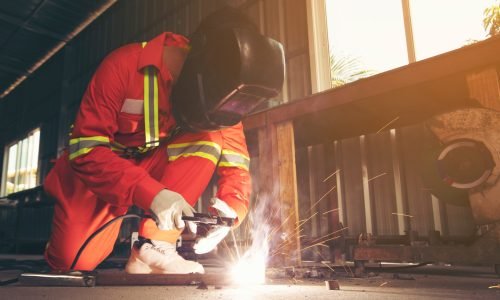
Sparks from welding or cutting can create serious concerns within seconds. Building Safer Worksite Procedures Around Hot Work Fire Watch Houston Support focuses on organized control before heated tasks begin. During active operations hot work fire watch Houston provides focused observation around areas exposed to heat or flying particles. Assigned personnel watch nearby materials plus spaces that workers may overlook. Clear duties help crews react quickly when unusual conditions appear. Careful follow-up also supports safer conditions after equipment has stopped.
Preparing Areas Before Heated Work Begins
Good preparation starts by checking the entire area around planned work. Loose materials should be removed before welding or cutting equipment becomes active. Floors plus nearby openings also need attention because sparks may travel beyond the visible work point. Response equipment should remain easy to reach if a concern develops.
Preparation should also include clear communication between everyone involved. Workers need to know who is performing the task plus who is watching surrounding conditions. This simple arrangement reduces confusion when quick action becomes necessary.
Reducing Common Risks During Active Tasks
Several simple controls can reduce exposure while heated equipment remains active. Each measure should match the conditions found around the work location.
- Remove loose waste before heated equipment begins producing dangerous sparks.
- Check nearby openings where glowing fragments might enter hidden spaces.
- Keep suitable response equipment within easy reach throughout active operations.
- Move stored materials away from areas exposed to intense heat.
- Watch nearby surfaces carefully for smoke or unusual temperature changes.
- Maintain open walking routes around every monitored hazardous work location.
- Inspect floor gaps where heated particles could remain hidden afterward.
- Report changing conditions promptly before they create greater fire concerns.
These actions provide clear duties for workers. They also make routine observation easier throughout the task.
Maintaining Attention Throughout Daily Operations
Continuous observation matters because conditions can change while work continues. A safe area at the beginning may become less controlled when materials or equipment move nearby. Assigned observers should therefore keep watching the wider surroundings instead of focusing on one point.
Workers using heated equipment may not notice every change around them. A dedicated observer provides another view of floors or walls plus nearby storage areas. This separation of duties supports quicker recognition of developing concerns.
Regular communication remains important during longer tasks. If smoke or unexpected heat appears, the activity should be reviewed before work continues.
What Should Workers Check After Hot Work Ends?
Fire concerns do not always disappear when welding or cutting stops. Heated surfaces may continue transferring warmth into nearby materials. Small glowing pieces can also settle inside gaps where they remain difficult to see. Workers should therefore examine surrounding locations for smoke or unusual heat after active operations finish.
The required observation period should follow applicable workplace rules plus local requirements. Assigned personnel should remain alert throughout that time. Any unusual condition needs prompt reporting to the responsible person.
Keeping Observation Consistent Through Every Task
Reliable monitoring requires attention before work starts plus throughout the active period. During demanding activities hot work fire watch Houston supports dedicated observation while other personnel concentrate on their assigned duties. This arrangement reduces the chance that nearby warning signs remain unnoticed.
Observers should avoid unrelated duties that divide their attention. They need a clear view of exposed surfaces plus likely spark paths. Hidden spaces may also require additional checks.
Written records can support this routine. Basic entries may show when monitoring started plus when required follow-up checks ended.
Common Worksite FAQ Questions
Workers often have practical questions about observation duties. Simple answers can make daily responsibilities easier to understand.
- Who performs monitoring? A designated person watches surrounding conditions during hazardous tasks.
- When should checks begin? Observation starts before heated work becomes active.
- Where should personnel look? Nearby surfaces plus concealed spaces require careful attention.
- What requires immediate reporting? Smoke or unexpected heat should be reported promptly.
- When does monitoring finish? Required follow-up observation determines the proper ending time.
- Who confirms work readiness? Responsible supervisors verify controls before activity begins.
Consistent Practice Creates Stronger Control
Reliable routines depend on clear roles plus careful follow-through each day. Organized checks help teams recognize changing conditions before they become harder to manage. Written records provide useful proof that assigned duties were completed properly. Continued observation after equipment stops can reveal concerns that appear slowly. Strong worksite control comes from repeating sensible procedures carefully rather than expecting perfect conditions every time.
